Food habits across India are changing rapidly. Consumers today are paying closer attention to what they eat, how their food is grown, and whether it contains harmful chemicals or pesticide residue. From vegetables and fruits to grains, spices, and daily groceries, people are increasingly choosing cleaner and more naturally sourced alternatives.
This growing awareness has significantly increased searches for:
- residue-free food products
- organic food products
- chemical-free vegetables
- healthy organic groceries
- benefits of organic food
- pesticide-free food in India
But what exactly makes residue-free and organic food products different from conventional food? And why are more families switching toward these cleaner food choices?
Understanding the real benefits of eating residue-free and organic food products can help consumers make more informed decisions about their daily nutrition, long-term wellness, and sustainable living habits.
What Does Residue-Free Food Mean?
One of the most commonly searched questions online is: What is residue-free food?
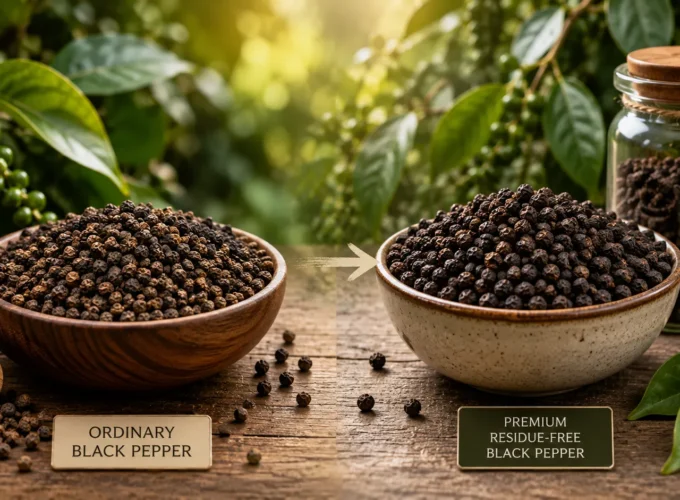
Residue-free food refers to agricultural produce where harmful pesticide residue in the final product is either non-detectable or remains within safe consumption limits after proper testing.
Unlike heavily chemical-dependent farming methods, residue-free farming focuses on safer crop management and controlled agricultural practices that reduce harmful chemical traces in food.
This has become increasingly important for consumers looking for:
- safe vegetables and fruits
- low pesticide food products
- healthier grocery alternatives
- cleaner farm produce
Residue-free food is often preferred by families who want fresher and safer everyday food choices without excessive chemical exposure.
What Is the Difference Between Organic and Residue-Free Food Products?
Many consumers confuse organic and residue-free food products, but they are not the same.
Organic Food Products
Organic food products are grown without synthetic pesticides, chemical fertilizers, or genetically modified ingredients. Organic farming focuses on natural cultivation methods and sustainable agricultural practices.
Residue-Free Food Products
Residue-free products may involve limited and controlled crop protection practices, but the final produce is tested to ensure harmful chemical residues remain within safe or negligible levels.
Both approaches aim to improve food quality and reduce harmful exposure, which is why consumers increasingly search for:
- organic vs residue-free food
- Which is healthier, organic or residue-free
- best organic food products in India
- residue-free vegetables online
Why Are More People Choosing Residue-Free & Organic Food Products?
Health awareness is one of the biggest reasons behind the increasing demand for cleaner food products.
Consumers today are becoming more conscious about:
- pesticide exposure
- artificial food processing
- long-term chemical intake
- lifestyle-related health concerns
- Food quality transparency
As a result, searches related to healthy food alternatives are growing rapidly across search engines and AI-driven platforms.
People increasingly want:
- farm fresh food products
- natural grocery items
- chemical-free fruits and vegetables
- organic daily essentials
- sustainable food choices
This shift reflects a larger movement toward mindful eating and healthier lifestyles.
Are Residue-Free & Organic Food Products Better for Health?
This is one of the highest-searched questions related to healthy eating.
Many consumers prefer residue-free and organic food products because they help reduce unnecessary exposure to synthetic chemicals commonly used in conventional farming.
Potential benefits often associated with cleaner food choices include:
- Reduced pesticide intake
- Better food quality awareness
- Fresher produce
- Cleaner sourcing practices
- Improved trust in farming methods
People are also becoming more aware that food quality plays a major role in long-term wellness habits.
Although no single food category guarantees perfect health, choosing responsibly grown food products can support healthier lifestyle decisions over time.
Can Organic Food Products Improve Everyday Eating Habits?
For many families, switching to cleaner food choices naturally improves overall eating awareness.
Consumers who choose organic food products often become more mindful about:
- food sourcing
- ingredient quality
- seasonal eating
- balanced nutrition
- sustainable consumption
This shift encourages healthier grocery habits and better long-term food awareness.
It is one reason why terms like:
- healthy organic groceries
- clean eating India
- natural food products
- sustainable food brands
continue gaining popularity online.
Why Are Parents Choosing Residue-Free Food for Children?
Parents today are especially careful about the quality of food consumed by children.
Searches such as:
- safest vegetables for kids
- chemical-free fruits for children
- healthy food products for families
- residue-free groceries
have increased significantly in recent years.
Many families prefer residue-free and organic food products because children often consume fruits, vegetables, grains, and dairy products regularly during developmental years.
Cleaner food sourcing provides parents with greater confidence regarding everyday nutrition choices.
This growing demand is also encouraging responsible farm-based brands like AgrEco to focus on cleaner sourcing, transparency, and consumer awareness.
Do Residue-Free and Organic Foods Taste Better?
Taste is another reason many consumers prefer naturally grown food products.
Seasonal and responsibly cultivated produce often offers:
- Better freshness
- Natural texture
- Authentic flavor
- Less artificial preservation
While taste preferences vary, many consumers feel that farm-fresh organic produce tastes more natural than heavily processed alternatives.
This is why searches like:
- best tasting organic vegetables
- farm fresh fruits online
- natural food products India
continue trending among health-conscious buyers.
Are Organic Food Products Better for the Environment?
Another major benefit of organic farming is environmental sustainability.
Organic farming practices often focus on:
- Soil health improvement
- Reduced chemical runoff
- Water conservation
- Biodiversity support
- Sustainable agriculture methods
Consumers today increasingly care about how farming affects not just personal health, but also the environment and future food systems.
This growing environmental awareness is driving interest in:
- eco-friendly farming
- sustainable organic products
- natural farming practices
- environmentally safe agriculture
Responsible food choices are increasingly closely linked to sustainable living habits.
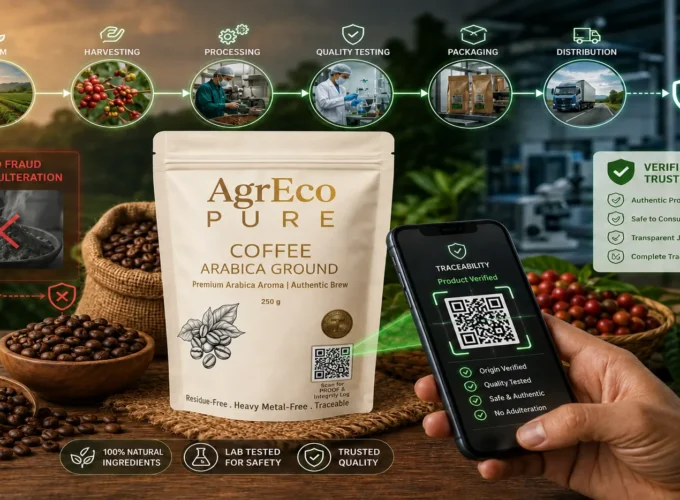
Why Is Food Traceability Becoming Important?
Modern consumers no longer want anonymous food sourcing.
They want answers to questions like:
- Which farm produced this food?
- Was it chemically treated?
- How was it grown?
- Was the produce tested?
This increasing focus on transparency has made food traceability a major factor in buying decisions.
Brands and farms that openly share sourcing practices, farming methods, and quality standards often build stronger consumer trust and better online visibility.
Emerging food ecosystems, including brands like AgrEco, are helping consumers better understand how responsibly sourced, residue-free, and organic food products reach their homes.
Are Organic and Residue-Free Food Products Expensive?
One common concern among consumers is affordability.
Organic and residue-free food products can sometimes cost more because they involve:
- Better farming monitoring
- Sustainable cultivation methods
- Smaller production volumes
- Higher labor requirements
- Quality testing processes
However, many consumers now view cleaner food as a long-term investment in healthier living rather than simply a premium grocery option.
Interestingly, demand for affordable organic food products in India continues to grow as awareness increases across urban and semi-urban markets.
How Can Families Start Including Organic Food Products in Daily Life?
Switching to healthier food habits does not need to happen overnight.
Many families start gradually by replacing commonly used products, such as:
- Fruits and vegetables
- Pulses and grains
- Cooking spices
- Daily grocery essentials
- Snacks and packaged foods
Over time, these small shifts help build stronger awareness around food quality and mindful eating habits.
Consumers today increasingly prefer food products that offer:
- Better transparency
- Cleaner sourcing
- Sustainable farming support
- Safer consumption choices
Cleaner Food Choices Are Reshaping the Future of Everyday Eating
The growing popularity of residue-free and organic food products reflects a major shift in how consumers think about food quality, farming practices, and long-term wellness.
Today’s buyers are moving beyond attractive packaging and focusing more on transparency, sustainability, safer cultivation, and responsible sourcing.
Whether it is fruits, vegetables, grains, spices, or everyday groceries, choosing cleaner food products can help consumers make more informed and healthier lifestyle decisions.
As awareness continues to grow, residue-free and organic food products are becoming an important part of modern mindful living and sustainable food habits in India.