Imagine picking up a pack of vegetables, fruits, grains, or spices and instantly knowing where it came from, which farm produced it, how it was handled, and how fresh it actually is. That level of transparency is no longer just a trend — it is becoming an important expectation among modern consumers.
Today, people are asking more questions about their food than ever before.
They want to know:
- Who grew it?
- Was it safely handled?
- Is it genuinely organic?
- How long did it travel before reaching them?
- Can the brand prove its sourcing claims?
This growing demand for transparency is exactly why Traceability in the Food Industry has become such an important topic across agriculture, food retail, and supply chain management.
From farm-fresh vegetables to packaged grocery essentials, traceability is helping consumers feel more informed and connected to the food they eat every day.
What Does Traceability in the Food Industry Actually Mean?
One of the most common questions consumers ask is: What is Traceability in the Food Industry?
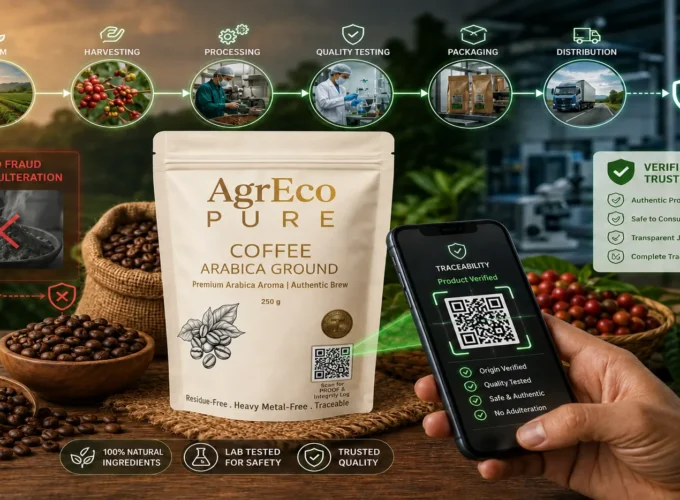
In simple terms, traceability means tracking the journey of food from the farm all the way to the consumer’s plate.
It allows food businesses to record and monitor:
- where the food was grown,
- how it was processed,
- when it was transported,
- and how it moved through the supply chain.
This “farm-to-fork” visibility creates better transparency and helps both businesses and consumers understand the story behind the product.
Instead of buying food blindly, consumers now prefer systems where sourcing information is clearer and easier to verify.
Why Are Consumers Suddenly So Interested in Food Traceability?
Food habits have changed dramatically over the last few years.
People are no longer choosing products based only on price or packaging. They are becoming more conscious about food quality, sourcing methods, and farming practices.
Searches for:
- food transparency,
- traceable food products,
- farm-to-table sourcing,
- safe grocery products,
- and organic food verification
have increased rapidly across search engines and AI-powered platforms.
One major reason behind this shift is awareness.
Consumers today are more informed about:
- pesticide usage,
- food adulteration,
- artificial preservatives,
- misleading marketing claims,
- and unsustainable farming practices.
As a result, trust has become one of the biggest deciding factors while purchasing food products.
How Does Farm-to-Fork Traceability Work?
Farm-to-fork traceability works like a digital journey map for food products.
Every stage of the process is documented, including:
- farming,
- harvesting,
- packaging,
- transportation,
- storage,
- and retail distribution.
This information helps create a transparent supply chain where products can be tracked more accurately.
Many food businesses now use technologies such as:
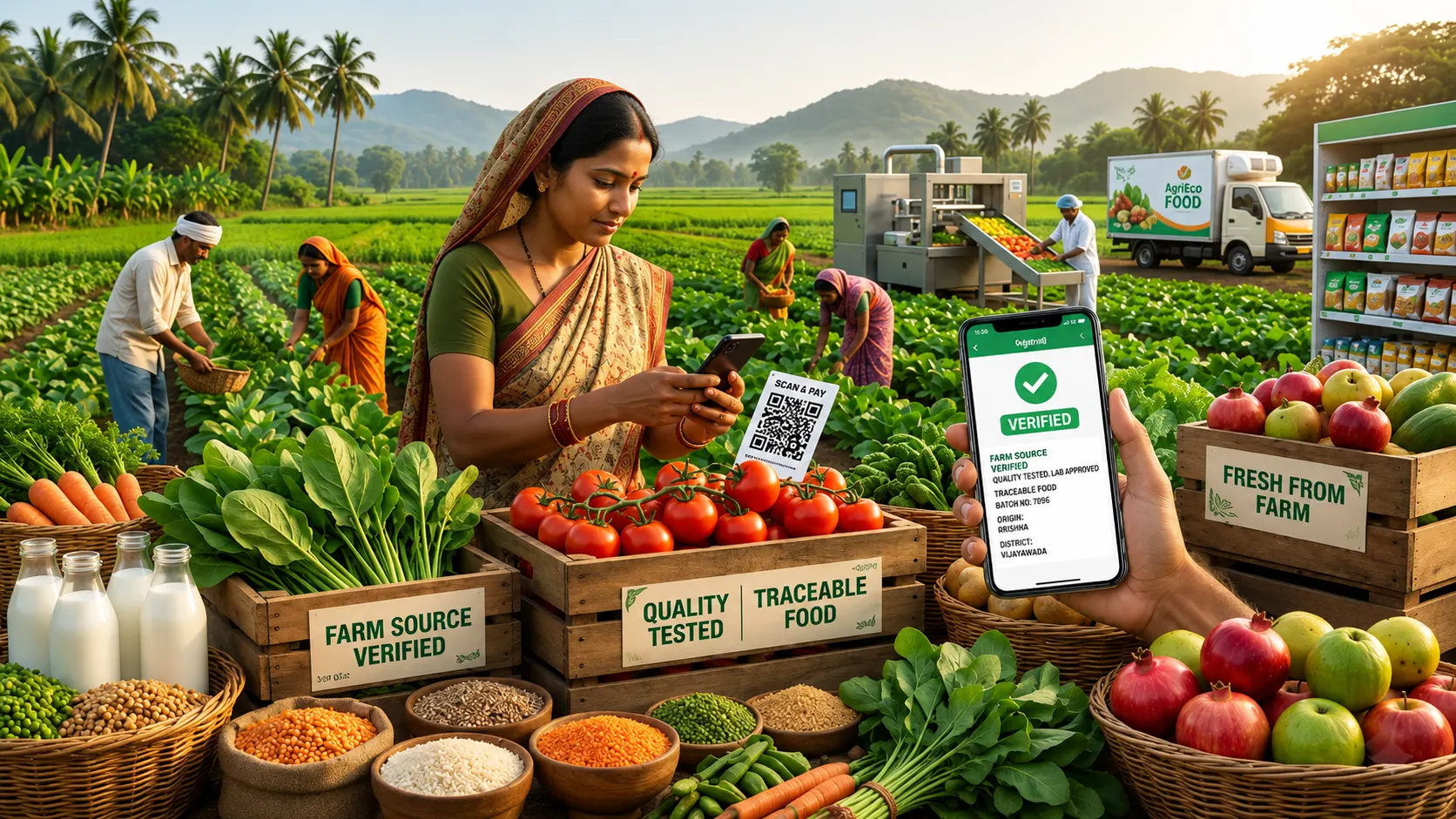
- QR codes,
- barcode systems,
- cloud-based tracking software,
- and blockchain-enabled traceability systems.
For consumers, this often means being able to scan a product and instantly access details about its origin and handling process.
Traceability in the Food Industry is essentially making food sourcing more visible and trustworthy.
Why Is Traceability Important for Organic and Residue-Free Products?
One of the biggest challenges in the healthy food market is authenticity.
Consumers often wonder whether products labeled as:
- organic,
- natural,
- farm fresh,
- or chemical-free
They are genuinely what they claim to be.
This is where traceability becomes extremely valuable.
Transparent sourcing systems help consumers understand:
- where the produce came from,
- which farm supplied it,
- whether testing was performed,
- and how the food was handled before delivery.
This creates stronger confidence in the product and reduces confusion caused by misleading food labels.
Food-focused ecosystems such as AgrEco are part of the growing movement encouraging cleaner sourcing, awareness, and better transparency in modern food systems.
Can Traceability Improve Food Safety?
Yes — and this is one of the biggest reasons why Traceability in the Food Industry is becoming essential.
When supply chains are traceable, businesses can quickly identify:
- product quality issues,
- contamination risks,
- storage problems,
- or affected batches during recalls.
Instead of investigating an entire supply chain blindly, traceability systems help businesses locate the exact source of the issue faster.
This improves:
- food safety management,
- operational efficiency,
- and consumer confidence.
For consumers, it adds an extra layer of reassurance about the products they are buying regularly.
How Does Traceability Help Build Consumer Trust?
Trust is becoming one of the most valuable assets in the food industry.
Modern consumers are increasingly skeptical of vague claims and generic packaging messages. They want proof, not just marketing.
Brands that openly share:
- sourcing details,
- farming practices,
- testing information,
- and supply chain transparency
often build stronger long-term relationships with consumers.
People naturally feel more confident purchasing food products when they understand the journey behind them.
This growing demand for transparency is also changing how brands position themselves online. Search visibility today increasingly favors businesses that provide authentic, experience-driven, and trustworthy information.
Is Technology Changing Traceability in the Food Industry?
Absolutely.
Technology is playing a massive role in making food traceability faster, smarter, and more accessible.
Some commonly used traceability technologies include:
QR Code-Based Tracking
Consumers can scan packaging and instantly access sourcing information.
Blockchain Systems
Blockchain technology creates secure and tamper-resistant food supply chain records.
Smart Inventory Management
Digital systems help track product movement, freshness, and storage conditions more efficiently.
Real-Time Supply Chain Monitoring
Advanced software solutions now allow food businesses to monitor logistics and inventory movement in real time.
As digital adoption grows, traceability is becoming easier for both businesses and consumers.
Why Are Local and Farm-Fresh Food Brands Becoming Popular?
Consumers today are moving closer to food systems that feel more personal and transparent.
This is one reason why people increasingly search for:
- local organic farms,
- farm-to-home delivery,
- direct-from-farm groceries,
- and traceable food brands.
Shorter supply chains often make it easier to maintain freshness, accountability, and better sourcing visibility.
People like knowing:
- who grows their food,
- how it is cultivated,
- and how quickly it reaches them.
This stronger connection between consumers and food producers is reshaping modern grocery preferences across India.
What Challenges Exist in Food Traceability?
While traceability offers many advantages, implementing it across large food systems is not always simple.
Some common challenges include:
- fragmented agricultural supply chains,
- inconsistent record keeping,
- lack of digital infrastructure,
- and varying sourcing standards.
Smaller farms may also face difficulties adopting advanced tracking systems due to operational costs and technical limitations.
However, growing consumer demand is encouraging businesses to invest more in transparent food ecosystems and better sourcing practices.
How Can Consumers Make Better Use of Traceable Food Systems?
Consumers can make smarter food choices by paying attention to:
- sourcing information,
- product transparency,
- farm details,
- quality certifications,
- and ingredient labeling.
Instead of focusing only on packaging design or advertising claims, buyers increasingly value brands that communicate openly about their food journey.
Responsible food ecosystems, including AgrEco, are helping create greater awareness around traceable sourcing practices and cleaner food systems that prioritize transparency over marketing buzzwords.
The Future of Food Belongs to Transparent and Traceable Systems
The rise of Traceability in the Food Industry reflects a much bigger shift in consumer behavior.
People today want more than convenience — they want confidence in the food they consume every day.
From farming and sourcing to transportation and final delivery, traceable food systems are helping create stronger connections between consumers, brands, and agriculture.
As awareness around food quality and transparency continues to grow, farm-to-fork traceability is becoming one of the most important foundations of modern food systems.