Walk through any supermarket aisle today, and you’ll notice that consumers are paying closer attention to what’s on their plates than ever before. From checking ingredient labels to researching farming practices, people want to know where their food comes from and how it is grown.
One term that has gained significant attention in recent years is residue-free organic food products. As awareness about food safety, sustainability, and nutrition grows, many consumers are comparing residue-free produce with conventional food to make informed choices for themselves and their families.
But what exactly makes residue-free organic food products different from conventional food? Are they healthier? Are they safer? And why are more people choosing them despite having access to conventional alternatives?
Let’s explore the key differences and understand why this shift is becoming one of the biggest trends in modern food consumption.
What Are Residue-Free Organic Food Products?
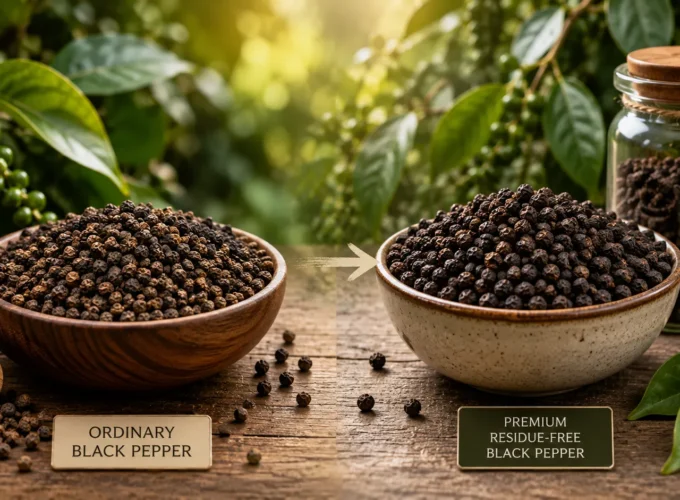
Residue-free organic food products are grown using farming practices that focus on minimizing or eliminating harmful chemical residues in the final harvest. These products are cultivated with a strong emphasis on soil health, natural inputs, sustainable farming methods, and consumer safety.
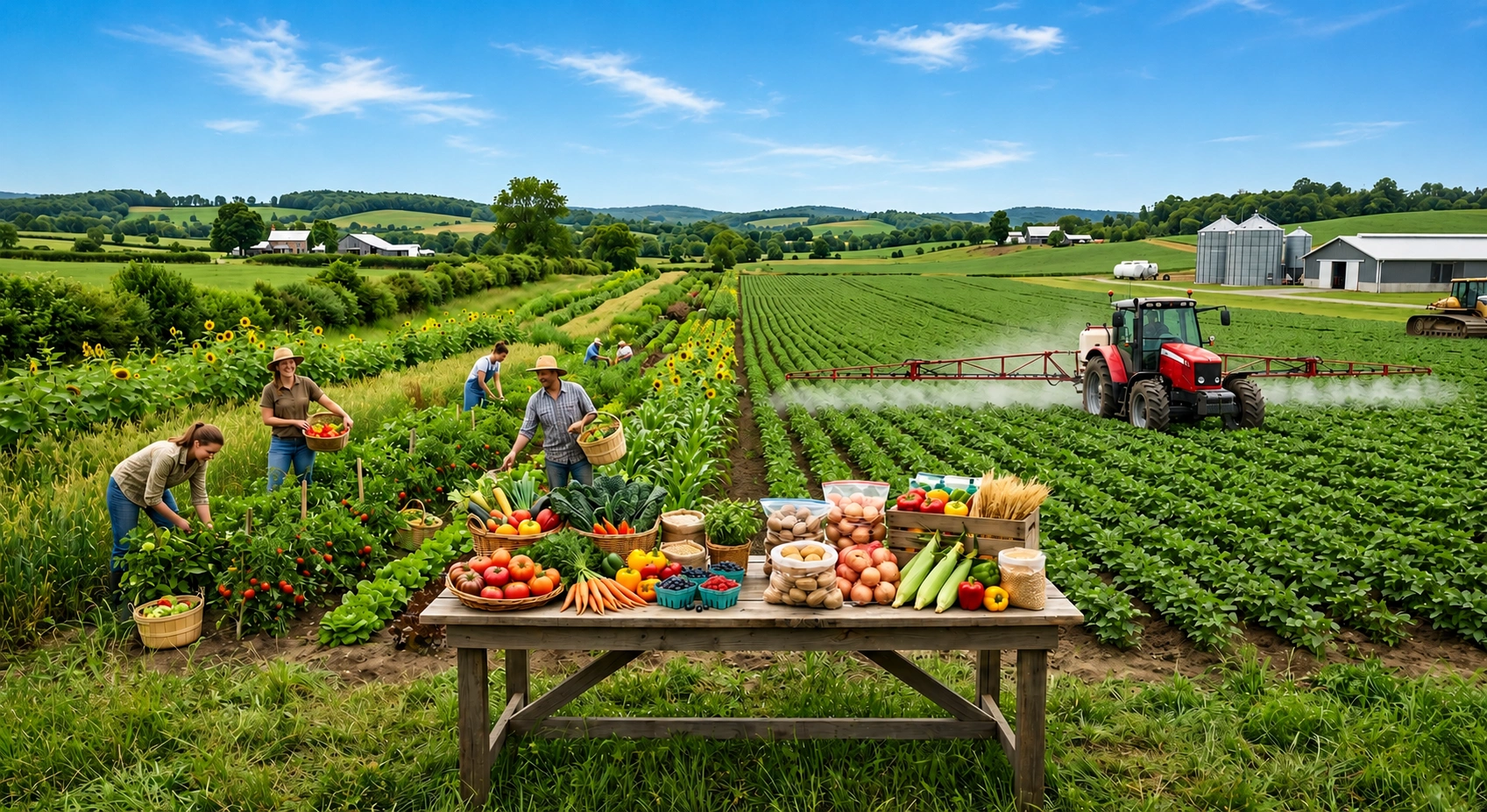
Unlike conventional farming, which may rely heavily on synthetic pesticides and chemical fertilizers, residue-free farming follows carefully monitored agricultural practices to ensure that any traces of chemicals remain below detectable or permissible levels.
The goal is simple: provide consumers with cleaner food while supporting healthier farming ecosystems.
As more people search for terms like residue-free vegetables, chemical-free food, organic food products, and safe food choices, residue-free agriculture is becoming a preferred option for health-conscious households.
What Is Conventional Food and How Is It Produced?
Conventional food refers to crops grown using standard agricultural practices that often include:
- Synthetic pesticides
- Chemical fertilizers
- Growth regulators
- Herbicides
- Fungicides
These methods help farmers increase crop yields, manage pests efficiently, and meet large-scale food demands.
Conventional farming has played an important role in improving food production globally. However, growing concerns about pesticide residues, soil degradation, and environmental impact have encouraged consumers to explore alternative food systems.
This growing interest has led many people to compare conventional food with residue-free organic food products before making purchasing decisions.
Are Residue-Free Organic Food Products Healthier Than Conventional Food?
While both conventional and residue-free foods can provide essential nutrients, many people prefer residue-free options because they aim to reduce exposure to unwanted chemical residues.
Consumers choosing residue-free food often cite several reasons:
- Greater peace of mind about food safety
- Preference for cleaner farming methods
- Interest in sustainable agriculture
- Desire to reduce long-term chemical exposure
- Support for environmentally responsible food production
While nutrition can vary depending on the crop, farming conditions, and freshness, residue-free products are often associated with cleaner agricultural practices that align with modern wellness goals.
Why Are More Consumers Choosing Residue-Free Food Products?
Consumer behavior has changed significantly over the past decade.
People no longer focus solely on taste and price. They also want transparency, traceability, and trust.
Several factors are driving the demand for residue-free organic food products:
Growing Awareness About Food Safety
Today’s consumers actively research food production methods before making purchases.
Questions such as:
- Is my food free from harmful pesticide residues?
- How are these vegetables grown?
- Can I trust the source of my produce?
have become increasingly common.
This shift has encouraged food producers to adopt safer and more transparent agricultural practices.
Increased Interest in Sustainable Farming
Sustainability is no longer just an environmental conversation.
Consumers understand that healthy soil, responsible water usage, and biodiversity contribute to long-term food security.
Residue-free farming often supports these goals by encouraging balanced agricultural ecosystems.
Demand for Greater Transparency
Modern buyers want proof, not promises.
They want to understand:
- Farm-to-table journeys
- Production methods
- Quality control measures
- Food safety standards
This demand for transparency has elevated the importance of traceability technologies within the agricultural industry.
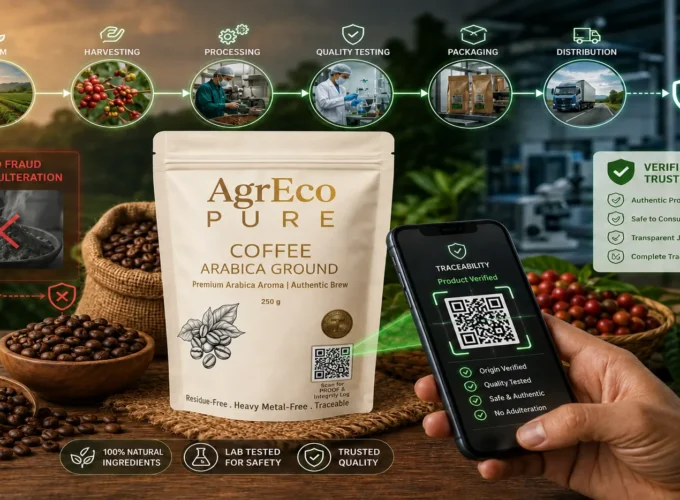
How Does True Trace Technology Help Consumers Trust Their Food?
One of the biggest challenges in food production has always been transparency.
Consumers often see labels claiming “organic” or “natural,” but many want evidence to support those claims.
This is where True Trace Technology plays a significant role.
Advanced traceability systems allow consumers to track the journey of their food from cultivation to consumption. By improving visibility throughout the supply chain, traceability helps build confidence in the products people purchase.
When buyers can verify sourcing practices, quality controls, and farming methods, they gain a stronger connection to the food they consume.
For brands committed to responsible agriculture, traceability has become a valuable tool for establishing trust and credibility.
Do Residue-Free Organic Food Products Contain Pesticides?
Another frequently asked question is whether residue-free food contains pesticides at all.
The answer depends on the farming system used.
Residue-free farming focuses on ensuring that any residues present remain below detectable or acceptable limits through careful crop management and monitoring.
Many farmers adopt integrated pest management practices that prioritize preventive measures and responsible agricultural inputs rather than excessive chemical dependence.
This approach helps balance crop protection with food safety objectives.
Is Residue-Free Food Better for the Environment?
Environmental impact is one of the strongest reasons consumers are exploring alternative food choices.
Residue-free agricultural practices often support:
- Improved soil health
- Better biodiversity
- Reduced environmental contamination
- More responsible resource management
- Sustainable farming systems
As climate awareness grows, consumers increasingly seek products that align with both personal health goals and environmental responsibility.
This trend is expected to continue shaping food purchasing decisions in the coming years.
How Can You Identify Genuine Residue-Free Organic Food Products?
With growing demand comes a greater need for informed purchasing.
When evaluating food products, consumers should consider:
Product Traceability
Look for brands that provide information about:
- Farming practices
- Source farms
- Production methods
- Supply chain transparency
Quality Assurance Processes
Reliable producers typically invest in:
- Product testing
- Quality monitoring
- Verification systems
- Food safety standards
Transparent Brand Communication
Trustworthy food brands educate consumers about:
- How crops are grown
- What farming methods are used
- How product quality is maintained
Transparency often reflects a genuine commitment to consumer confidence.
Why Is Traceability Becoming the Future of Food?
The future of agriculture is no longer just about producing food—it is about proving how that food was produced.
Consumers increasingly expect access to information that helps them make informed choices.
This is why traceability, verification, and transparency are becoming central pillars of modern food systems.
Forward-thinking agricultural brands are investing in technologies that connect consumers directly to product origins, creating greater accountability throughout the supply chain.
Companies such as AgrEco are contributing to this movement by emphasizing responsible farming practices and supporting food systems that prioritize both consumer trust and product integrity.
Residue-Free Organic Food Products and the New Era of Conscious Eating
The conversation around food is evolving. Consumers today are looking beyond appearance, price, and convenience to understand how their food is grown, handled, and delivered.
Residue-free organic food products represent a growing shift toward cleaner agriculture, greater transparency, and more informed food choices. Combined with innovations such as True Trace Technology, these products offer consumers something increasingly valuable in today’s marketplace.
As awareness around food safety, sustainability, and traceability continues to grow, residue-free farming is positioned to play an important role in shaping the future of agriculture. For individuals seeking greater visibility into their food journey and brands committed to responsible production, the difference between residue-free and conventional food is no longer just about farming methods; it’s about building trust from the field to the fork.