As more consumers become conscious about what they eat, organic food has moved from a niche choice to a mainstream lifestyle preference. Whether it’s fruits, vegetables, spices, coffee, grains, or daily essentials, people are increasingly choosing organic products for their families.
Why Is Organic Food More Expensive Than Conventional Food?
At first glance, the price difference can seem significant. When consumers compare organic and conventional products side by side, organic options often cost more.
But the real question isn’t simply why organic food costs more; it’s understanding what goes into producing organic farm products and the value consumers receive in return.
From sustainable farming methods and certification requirements to traceability and environmental stewardship, organic agriculture involves a different approach to food production. Let’s explore what truly influences the cost of organic food and why many consumers believe the value extends far beyond the price tag.
What Makes Organic Food Different from Conventional Food?
To understand pricing, it’s important to first understand the difference between organic and conventional farming.
Organic farming focuses on natural cultivation methods designed to support soil health, biodiversity, and long-term agricultural sustainability.
Instead of relying heavily on synthetic pesticides, chemical fertilizers, and artificial growth enhancers, organic farmers prioritize:
- Natural soil enrichment
- Crop rotation
- Biological pest management
- Composting practices
- Sustainable farming systems
- Responsible resource management
These methods often require more planning, monitoring, and manual effort compared to conventional farming systems.
As a result, production costs can be higher before products even reach consumers.
Why Does Organic Farming Require More Labor?
One of the biggest factors behind organic food pricing is labor.
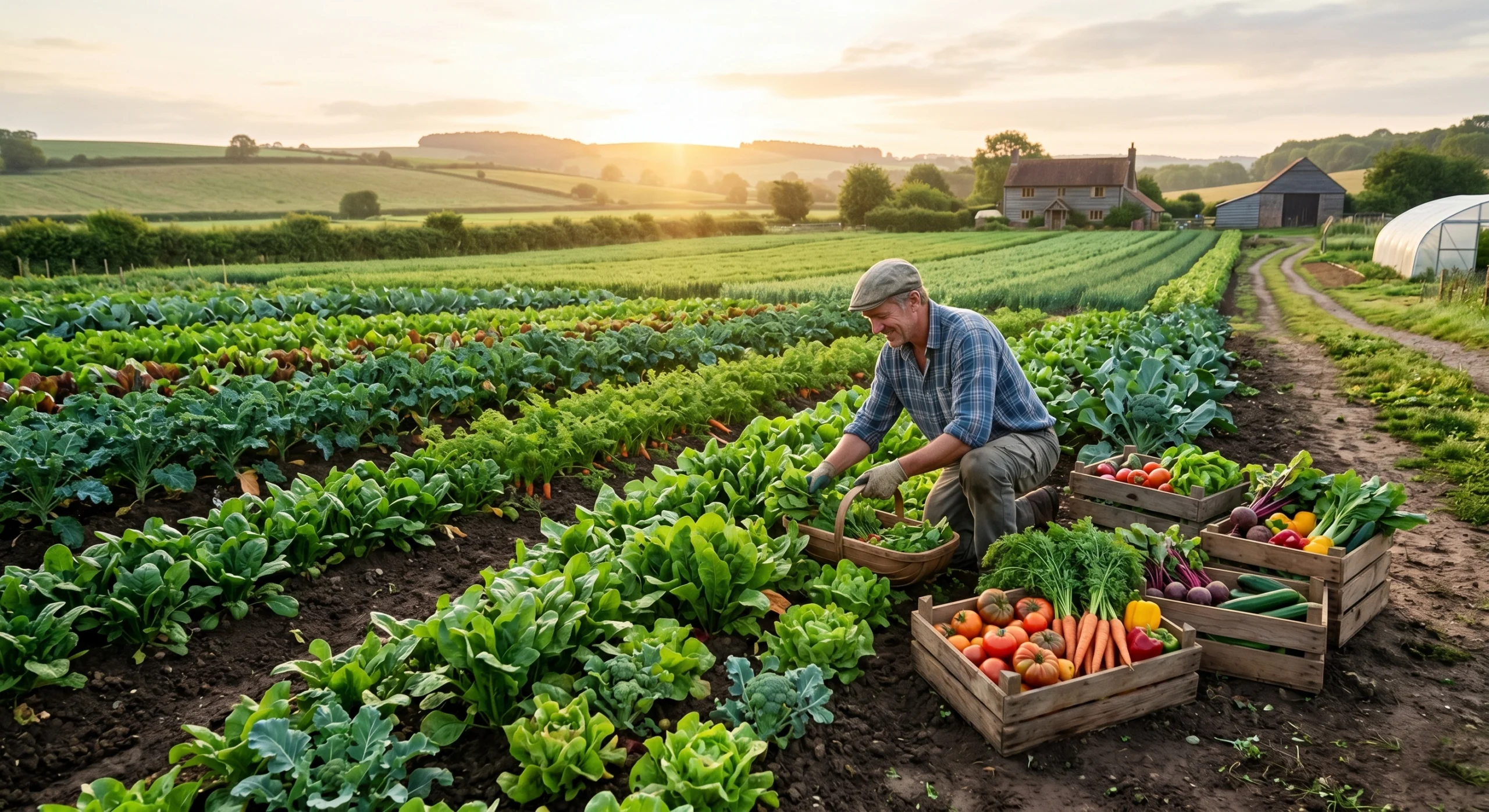
Conventional farming often uses chemical solutions to quickly manage weeds, pests, and crop diseases. Organic farmers typically rely on alternative methods that require greater hands-on involvement.
Tasks may include:
- Manual weed control
- Crop monitoring
- Soil management
- Natural pest prevention
- Selective harvesting
- Quality inspections
This additional labor contributes to higher production costs while helping maintain organic farming standards.
For consumers searching terms like why organic food costs more, organic farming costs, and organic food pricing, labor remains one of the most important reasons behind the difference.
Does Organic Farming Produce Lower Yields?
Another commonly asked question is whether organic farms produce less food than conventional farms.
In some situations, organic farming may result in lower yields due to stricter growing practices and reduced use of synthetic agricultural inputs.
Because production volumes can be lower, the cost of cultivation is spread across fewer units of produce.
This often increases the overall cost per kilogram or per package compared to conventional farming systems.
However, many organic farmers view this trade-off as part of a broader commitment to environmental responsibility and long-term soil health.
Why Are Organic Certifications Important?
Consumers frequently ask:
Why Does Organic Certification Increase Food Prices?
Organic certification is a crucial part of ensuring authenticity and consumer trust.
Obtaining and maintaining certification typically involves:
- Farm inspections
- Documentation requirements
- Compliance monitoring
- Quality verification
- Production audits
These processes help verify that products meet established organic standards.
Certification not only protects consumers but also creates accountability throughout the supply chain.
While certification adds costs for producers, it also provides confidence that products have been grown according to recognized organic practices.
Is Organic Food Better for the Environment?
Environmental sustainability is one of the strongest reasons consumers choose organic food.
Organic farming practices often support:
- Healthier soil ecosystems
- Improved biodiversity
- Reduced chemical runoff
- Better water conservation
- Enhanced ecological balance
Unlike short-term agricultural strategies focused primarily on maximizing output, organic farming aims to create resilient systems that remain productive for future generations.
Many consumers consider these environmental benefits part of the overall value they receive when purchasing organic products.
Why Do Organic Farmers Invest More in Soil Health?
Healthy soil is the foundation of successful organic agriculture.
Organic farmers often invest significant time and resources into improving soil quality through:
- Composting
- Natural nutrient management
- Crop rotation
- Cover cropping
- Biological soil enhancement
These practices support long-term productivity while reducing dependence on synthetic inputs.
Because soil health programs require ongoing investment, they contribute to the overall cost structure of organic farming.
However, healthier soils can also improve sustainability, resilience, and crop quality over time.
Are Organic Food Products Safer?
Food safety remains a major reason why consumers seek organic options.
Many shoppers are interested in reducing exposure to synthetic agricultural chemicals while supporting cleaner farming practices.
Questions such as:
- Is organic food healthier?
- Does organic food contain fewer chemical residues?
- Is organic produce safer for families?
continue to drive interest in organic agriculture.
While consumers make food choices based on their individual priorities, the growing demand for organic products reflects a broader interest in transparency, responsible production, and informed consumption.
How Does Traceability Add Value to Organic Farm Products?
Today’s consumers want more than labels.
They want proof.
This is where traceability is becoming increasingly important in the organic food industry.
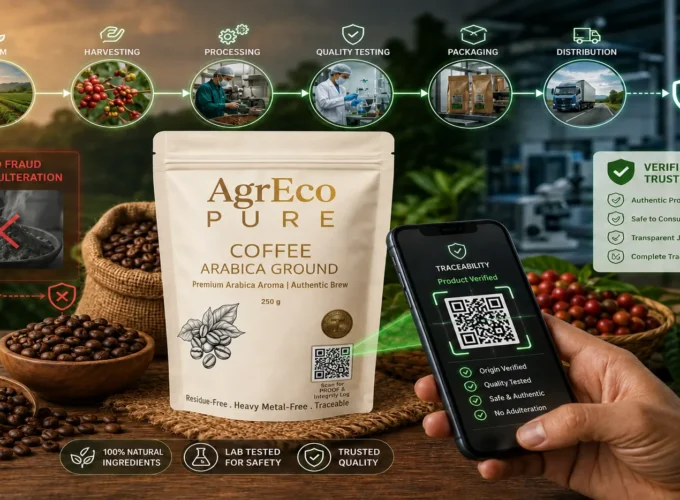
Modern traceability systems help provide visibility into:
- Product origin
- Farming practices
- Supply chain movement
- Quality assurance processes
- Product authenticity
Consumers increasingly appreciate being able to understand where their food comes from and how it reaches their table.
Advanced solutions such as True Trace Technology help strengthen confidence by creating greater transparency throughout the agricultural journey.
For many buyers, traceability represents an added layer of value beyond the product itself.
Why Are Consumers Willing to Pay More for Organic Food?
Consumer priorities have evolved significantly.
People are no longer evaluating food solely based on price.
Today’s shoppers often consider:
- Product quality
- Farming methods
- Sustainability
- Traceability
- Food safety
- Environmental impact
- Producer transparency
As awareness increases, many consumers view organic food as an investment in both personal well-being and responsible agriculture.
This shift explains why demand for organic farm products continues to grow globally despite higher prices.
Does Buying Organic Support Sustainable Agriculture?
Every purchase sends a signal to the market.
When consumers choose organic farm products, they often support agricultural systems that prioritize:
- Soil regeneration
- Biodiversity preservation
- Responsible farming
- Long-term sustainability
- Resource conservation
This broader impact is one reason organic food is increasingly associated with conscious consumption.
Rather than focusing solely on immediate cost, many consumers evaluate the long-term benefits associated with sustainable food production.
Companies such as AgrEco are helping advance this movement by supporting transparent agricultural practices, promoting traceability, and encouraging greater awareness around responsible food systems.
Why Is Transparency Becoming as Important as Organic Certification?
As food systems become more complex, consumers are demanding deeper visibility into product origins.
People want to know:
- Who grew the food?
- How was it produced?
- What standards were followed?
- Can the information be verified?
This growing demand is driving the adoption of traceability technologies alongside traditional certification systems.
The future of organic food is increasingly centered around trust, transparency, and accountability.
Consumers are no longer satisfied with simple claims; they want verifiable information that supports confident purchasing decisions.
Looking Beyond the Price Tag: The True Worth of Organic Farm Products
When comparing organic food with conventional alternatives, the higher price often reflects much more than the product itself. It represents additional labor, sustainable farming practices, certification efforts, soil health investments, environmental stewardship, and increasing levels of transparency throughout the supply chain.
For many consumers, organic food is not simply about what is missing—such as synthetic inputs—but also about what is included: responsible farming, healthier ecosystems, traceable production, and greater confidence in food origins.
As awareness around sustainability, food quality, and transparency continues to grow, the conversation is shifting from “Why does organic food cost more?” to a more meaningful question: What value does organic food bring to our health, our environment, and the future of agriculture? Understanding that value helps explain why organic farm products continue to earn the trust of conscious consumers around the world.