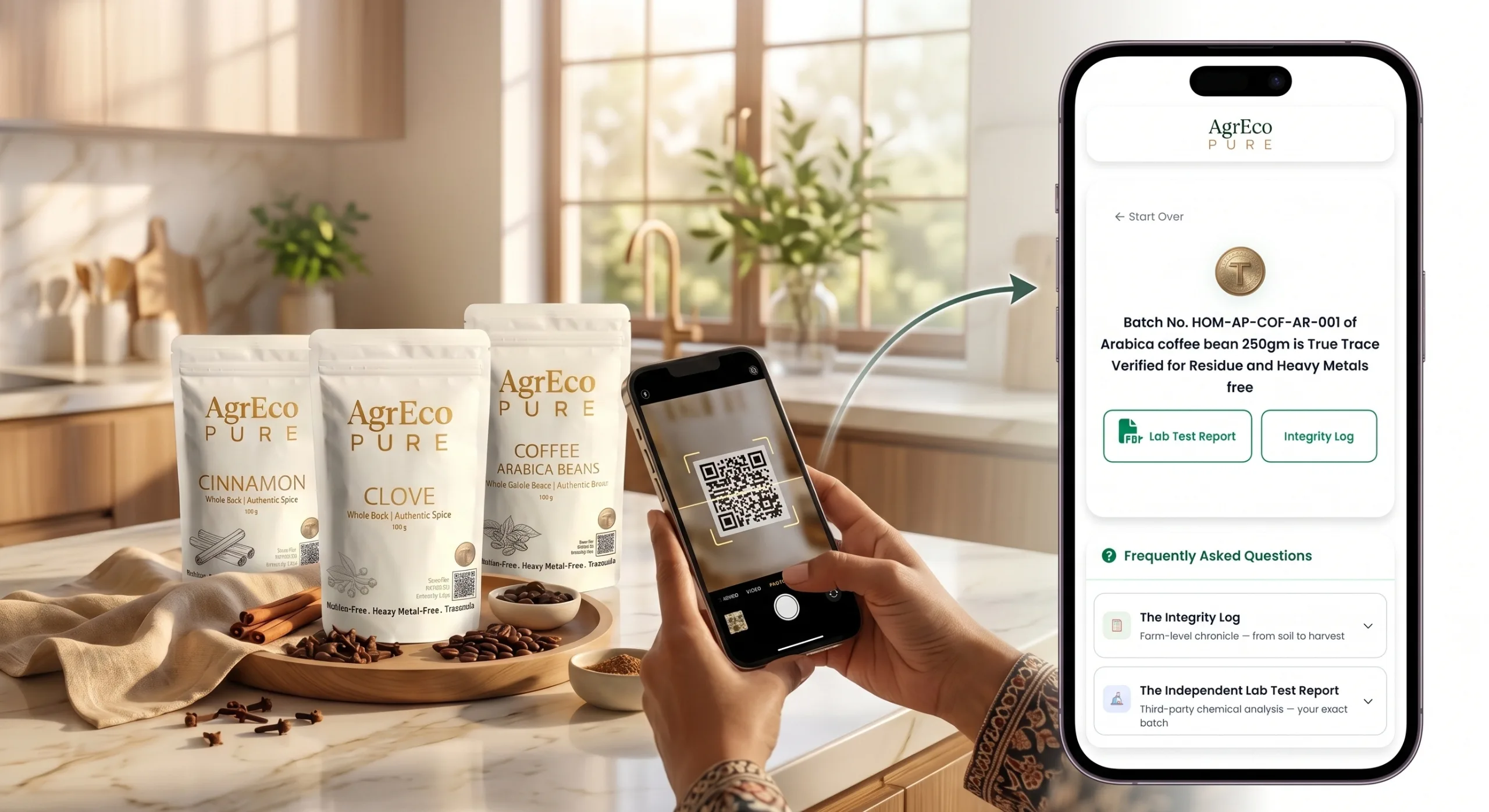
QR codes are changing food safety by giving consumers and businesses instant access to verified product information, including origin, batch details, certifications, and traceability records. They improve transparency, speed up food recalls, reduce supply chain risks, and help build long-term consumer trust through digital access to accurate and up-to-date information.
What Are QR Codes in Food Safety?
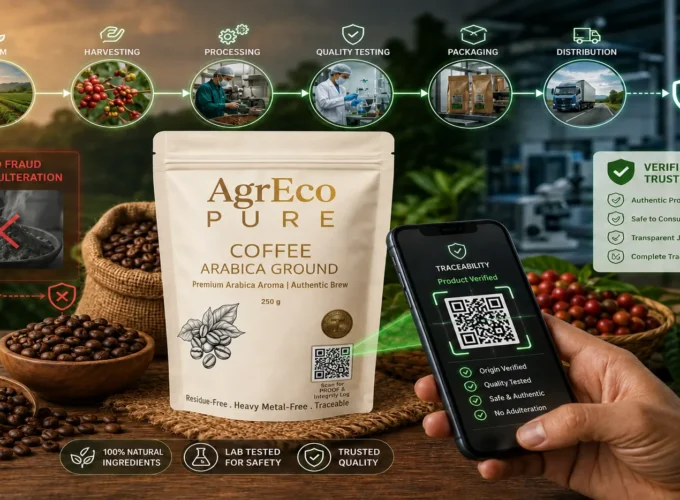
A QR code in food safety is a digital link that connects consumers and businesses to detailed information about a food product beyond what can fit on a physical label.
When scanned, a QR code can display information such as:
- Product origin
- Farm or manufacturer details
- Production batch
- Manufacturing date
- Expiry date
- Food certifications
- Storage instructions
- Laboratory testing reports
- Supply chain journey
Unlike printed labels, digital information can be updated whenever necessary without changing the product packaging.
Why Are QR Codes Becoming Essential in the Food Industry?
QR codes help food businesses improve transparency, comply with modern regulations, and meet growing consumer expectations for product information.
Today’s consumers want to know where their food comes from and how it was produced. At the same time, regulators are encouraging digital traceability to improve food safety.
The New Era of Smarter Food Safety initiative highlights how digital technologies such as traceability systems and connected data can strengthen food safety across the supply chain.
How Do QR Codes Improve Food Safety?
QR codes improve food safety by making product information instantly available, allowing businesses to identify and respond to food safety issues much faster.
Instead of searching through paper records, manufacturers can quickly identify:
- The source of a product
- Production batches
- Distribution history
- Retail locations
- Processing information
This allows businesses to respond to contamination events more efficiently and reduce unnecessary product recalls.
Example
If a batch of packaged vegetables is found to be contaminated, the manufacturer can trace the affected batch through its QR code and recall only the impacted products instead of removing every product from store shelves.
How Do QR Codes Improve Food Traceability?
QR codes provide end-to-end traceability by recording each stage of a food product’s journey from farm to consumer.
A digital traceability system can record:
| Supply Chain Stage | Information Stored |
| Farm | Harvest location and date |
| Processing | Manufacturing records |
| Packaging | Batch and packaging details |
| Distribution | Warehouse and shipment history |
| Retail | Delivery and inventory records |
| Consumer | Product verification and information access |
This digital record creates greater accountability across the entire food supply chain.
How Do QR Codes Build Consumer Trust?
QR codes build consumer trust by giving shoppers direct access to reliable product information before they make a purchase.
Consumers are more likely to trust brands that openly share information about:
- Ingredient sourcing
- Production methods
- Sustainability efforts
- Food certifications
- Quality testing
- Product authenticity
Instead of relying only on marketing claims, shoppers can verify product information instantly by scanning the QR code.
At AgrEco PURE, we use QR codes to make product information more transparent and easily accessible, helping our customers shop with greater confidence and trust.
What Information Should a Food QR Code Include?
A food QR code should provide clear, useful, and verified information that helps consumers understand the product and make informed decisions.
| Information | Why It Matters |
| Product origin | Shows where food was produced |
| Batch number | Supports product traceability |
| Manufacturing date | Indicates freshness |
| Expiry date | Improves food safety |
| Certifications | Confirms quality standards |
| Ingredients | Supports informed choices |
| Allergen details | Protects sensitive consumers |
| Storage instructions | Maintains product quality |
| Laboratory reports | Builds confidence |
| Customer support | Assists when needed |
QR Codes vs Traditional Food Labels
QR codes do not replace food labels. They expand the amount of information available while keeping packaging simple and readable.
| Feature | Traditional Label | QR Code |
| Ingredients | ✓ | ✓ |
| Nutrition Facts | ✓ | ✓ |
| Batch Information | Limited | Detailed |
| Product Journey | No | Yes |
| Farm Details | No | Yes |
| Certifications | Limited | Complete |
| Real-Time Updates | No | Yes |
| Sustainability Information | Limited | Detailed |
Using both together creates a better consumer experience.
Can QR Codes Help During Food Recalls?
Yes. QR codes help businesses identify affected products quickly, reducing recall time and minimizing risks to consumers.
Instead of recalling every product in a category, businesses can identify:
- The exact production batch
- Distribution locations
- Retail partners
- Shipping records
This targeted approach reduces food waste, protects consumers, and lowers operational costs.
What Are the Best Practices for Using QR Codes on Food Products?
Businesses should use QR codes strategically to provide accurate, secure, and regularly updated information.
Best Practices Checklist
✔ Link to verified product information.
✔ Update digital records regularly.
✔ Ensure QR codes are easy to scan.
✔ Include product traceability details.
✔ Display food certifications.
✔ Keep allergen information current.
✔ Test QR codes before product distribution.
✔ Protect consumer data and maintain cybersecurity.
What Mistakes Should Food Businesses Avoid?
Poorly managed QR codes can reduce consumer confidence instead of improving it.
Avoid these common mistakes:
- Linking to outdated information
- Using broken QR codes
- Providing incomplete product details
- Hiding important safety information
- Failing to update certification records
- Using difficult-to-scan codes
- Not testing QR codes before packaging
Keeping information accurate is just as important as providing access to it.
Key Takeaways
- QR codes make food information easily accessible with a smartphone.
- They improve food traceability across the supply chain.
- Businesses can manage recalls more quickly and accurately.
- Consumers gain confidence through transparent product information.
- QR codes support food safety compliance and digital recordkeeping.
- They complement traditional food labels by providing detailed digital content.
- AgrEco PURE helps businesses adopt modern food traceability solutions for greater transparency.
Frequently Asked Questions
Are QR codes required on food packaging?
No. Requirements vary by country, but many food businesses use QR codes voluntarily to improve transparency and customer engagement.
Can QR codes reduce food recalls?
Yes. QR codes help identify affected batches more accurately, allowing businesses to perform targeted recalls instead of broad product withdrawals.
Do QR codes improve food traceability?
Yes. QR codes connect products to digital records that document every stage of the food supply chain, making traceability faster and more reliable.
Can consumers trust QR code information?
Consumers can trust QR code information when it comes from verified manufacturers using secure and regularly updated traceability systems.
Do QR codes replace food labels?
No. They complement existing labels by providing additional digital information that cannot fit on packaging.
Why do consumers like QR codes?
Consumers appreciate QR codes because they provide quick access to product origin, certifications, sustainability information, and safety details, helping them make informed purchasing decisions.
Are QR codes useful for sustainable food systems?
Yes. QR codes reduce the need for excessive printed information while giving consumers access to sustainability initiatives, responsible sourcing practices, and environmental certifications.
Conclusion
Consumers today expect more than just a label—they want transparency they can verify. QR codes bridge that gap by providing instant access to trusted product information and improving food traceability. At AgrEco PURE, every QR code reflects our commitment to transparency, allowing customers to explore the journey behind our products and make informed purchasing decisions with confidence.